Emit Solar | Home Solar Panels | Easy Ownership
You install solar to cut your bill. But your system also creates something less visible: green attributes. These attributes can be converted into Renewable Energy Certificates, which can be sold to someone who needs it. For most homeowners, however, unlocking that value is amazingly difficult.
What are green attributes?
Every kWh generated by your solar system comes with two things:
- The electricity itself
- The environmental impact of it coming from a renewable energy source
The electricity powers your home or is exported to the grid under Solar ATAP. It comes with the obvious electricity bill savings.
And because of it, TNB also burns a little less coal and gas. Less fossil fuel generation means lower carbon emissions. That positive environmental impact is the green attribute created by your system, which can be certified as a Renewable Energy Certificate (REC).
1,000kWh of renewable electricity = 1 REC.
A typical 10kWp system makes about one REC a month. It’s a virtual asset. And people will pay for it.
Why do RECs have value?
Companies increasingly need to show that part of the electricity they use comes from renewable sources, but not many companies have the roof space or land for it.
So they have two options:
- Buy green energy from TNB’s green electricity programme, or
- Buy RECs from renewable energy generators.
That second option is the interesting one. It links people who want to be green with people who already are. By buying a REC from a homeowner, the company rewards the person with panels on their rooftops.
So why don’t homeowners sell RECs?
Home systems are small. The REC market is built for large solar farms.
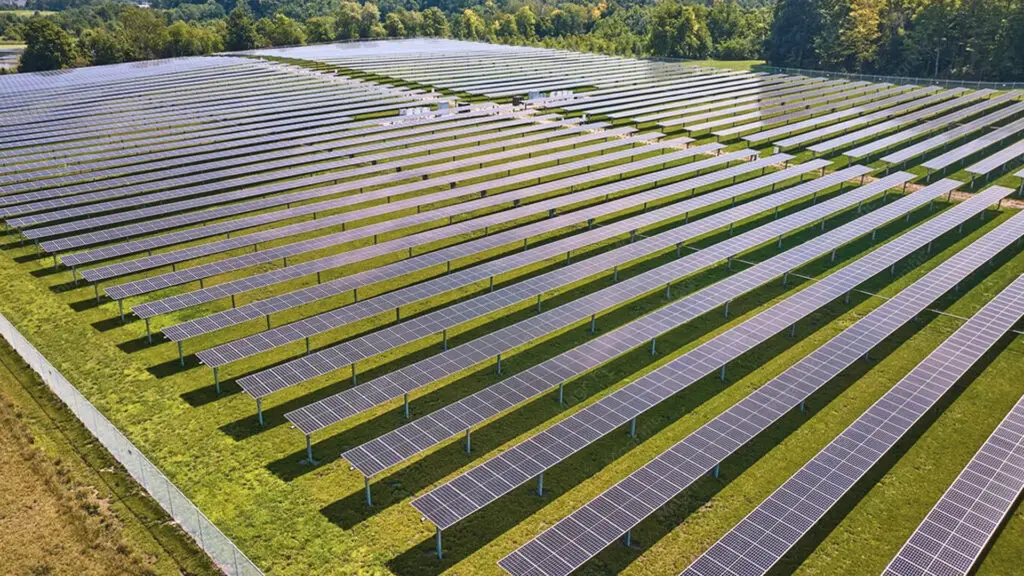
A single solar farm can equal 5,000 homes. Easier to manage, audit, and verify. One big source, one set of paperwork.
Homes are a nightmare to include:
- The output per home is tiny.
- Registering and verifying the data eats manhours – and money.
- And after all that, you still have to sell them – but buyers want big volumes a home can’t match.
So homeowners are almost never in this market. Too much work.
How we made it work
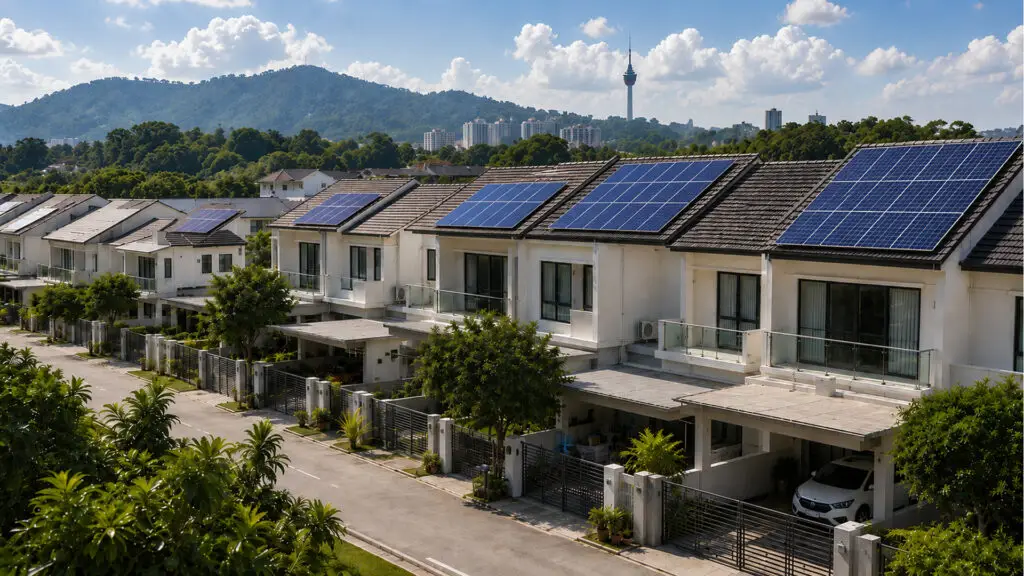
In short: We combined the generation from many homes into one large portfolio.
It was a long road across multiple partners. Being one of the first in Malaysia to make it work for homes was anything but easy.
The process required:
- system and customer documentation;
- generation-data collection;
- technical checks;
- registry and verification work through an international standard; and
- a buyer willing to purchase residential rooftop RECs.
It took time, but it showed that residential solar could participate when enough systems were brought together.
And the best part: you don’t lift a finger
All of it – registration, verification, audits, finding a buyer, the mountain of paperwork – is exactly why homeowners get locked out. Too much work for one small system.
What’s it worth today?
Time to be honest about the numbers.
A REC once fetched around RM30 – about RM200–250 a year for a typical home before costs. Not life-changing, but a nice bit of “extra money from the sun.”
Then the world changed. Companies deprioritised sustainability, governments delayed their targets, demand softened – and the price dropped.
RM30 → RM10
RM8 net per REC
Put another way: at today’s tariffs, that’s about 15kWh of free electricity a month. Small – small enough that most people wouldn’t bother. Which is exactly why we handle it for you.
Why we still think it matters
The amount may be small today, but the principle is bigger.
Companies that need RECs usually buy them from large generators.
Residential aggregation creates another option: reward everyday homeowners who have already invested in rooftop solar.
That gives companies a way to support the energy transition through distributed clean-energy generation, while giving homeowners something back.
Why we bothered
Honestly? We wanted to see whether this mechanism could give our customers something beyond savings.
It has not been easy. There is no clear playbook, and more than once, the process felt too complex to be worth pursuing.
Then, just as we’d closed the gaps and found a way to make it viable, the only company in the region aggregating residential green attributes – backed by some of the world’s largest corporations – changed direction.
Around the same time, TNB’s Green Energy Tariff dropped from RM0.10 to RM0.03, and further reduced the value of RECs in Malaysia.
But the story isn’t over. We’re still figuring it out.
A home battery serves one household. A shared battery can potentially serve customers and the grid at the same time. That additional revenue could help lower the subscription price.
What we cannot promise
REC prices may rise or fall. Buyer interest may change. The model is still developing. So we cannot promise that we will always be able to certify, sell, or monetise residential green attributes. The market is still small, the process is complex and demand can shift.
What we can promise is that we will keep trying to make the model viable for homeowners. The attributes already exist. Our job is to keep finding ways to turn them into something useful.
We may not always succeed, but we will keep pushing for the market to catch up.
The Bottom Line
- Your solar system produces more than electricity.
- It also creates environmental attributes that can be certified as RECs.
- On their own, most homes are too small to participate.
- Together, they becoming a more valuable renewable energy portfolio.
- It’s not life-changing money, but it is more value from the same sunlight.
Related articles