Emit Solar | Home Solar Panels | Easy Ownership
Probably not.
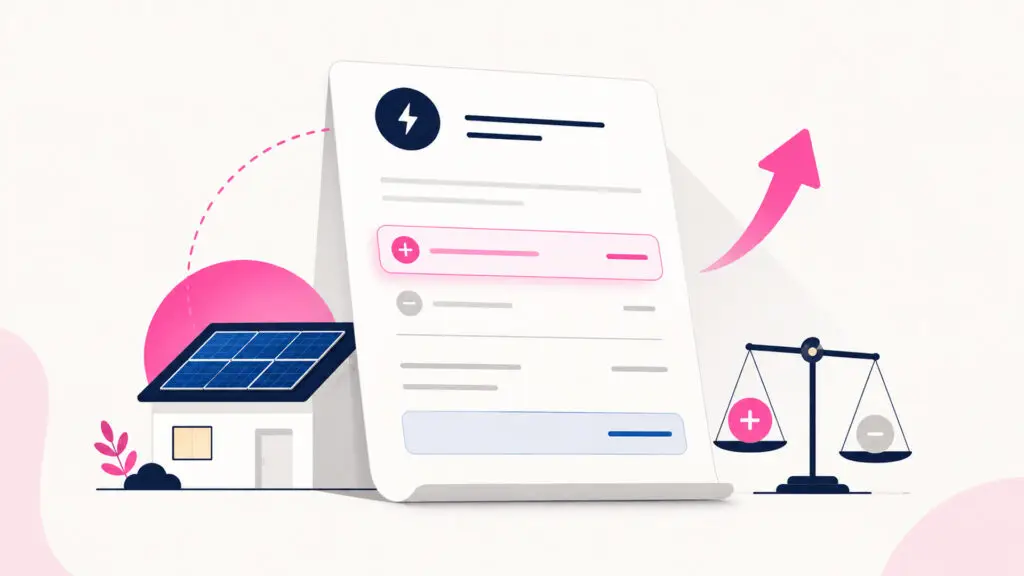
Solar ATAP will likely evolve over time. Energy policies change as adoption grows, policies adapt, and the grid infrastructure catches up. And over here, things may change suddenly without any warning.
Why Things Work Well Today
Solar works well today because adoption is still relatively low, in Malaysia only a little over 2% of homes have solar systems installed.

The grid can absorb excess solar

Policies can remain favourable
Grid Economics Start to Shift
The electricity grid must always be available. On cloudy days or at night, homes with solar still rely on TNB.
That means:
- The grid still need to be built and maintained
- Power plants still need to be ready to supply power
Here’s the challenge:
- Costs are divided by the total amount of kWh sold.
- As more homes generate their own power, less electricity is sold.
- But the grid costs remain the same.
So, over time, cost per kWh increases, which can eventually affect tariff structures.
Solar Adds Complexity to the Grid
Solar generation fluctuates throughout the day. Clouds, weather and time of day all affect output. To keep the grid stable, utilities may need:

Large-scale batteries
Grid-balancing infrastructure
These add cost to the overall system.
The Grid Wasn’t Built for This
The grid was originally designed for one-way flow.

Power Plants
>

Substations
>

Homes
With solar, it becomes two-way. In a single neighbourhood:
- Your solar system exports electricity.
- Your immediate neighbours consume it.
But in a taman where many homes have solar installed:
- Many homes have excess Solar Electricity to export.
- Neighbours can’t consume all of it.
- So one taman may start exporting electricity to another taman.
This creates several technical challenges:
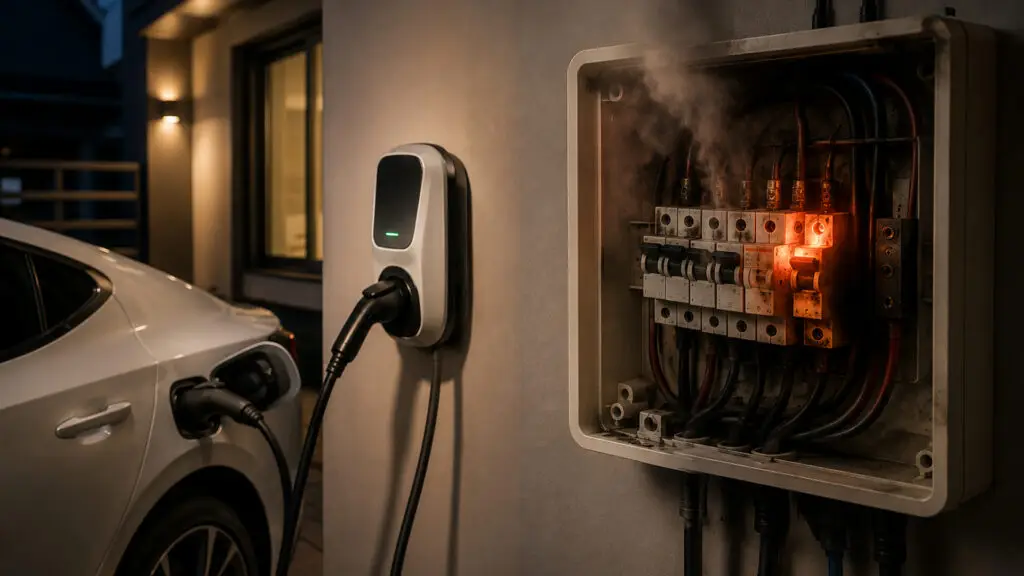
- Voltage rise in distribution lines requiring investments in “smart distribution” which adds a significant cost
- Reverse power flow not originally designed for the infrastructure
- Higher wear and maintenance on transformers and cables
Not a problem today – but likely over time.
That’s why Solar ATAP installations require approval – because grid capacity is being managed within the current infrastructure.
As adoption grows, controls may increase.
Possible Future Policy Changes (Speculative)
Policies typically evolve as solar adoption grows. Possible changes could include:
Self-Consumption (“Selco”) Only
At one point (between NEM and Solar ATAP – July to December 2025), systems were limited to self-consumption only – meaning no export any unused Solar Electricity was wasted.
Mandatory Battery Requirements
New systems may require mandatory batteries to reduce grid stress, increasing overall system cost. (Already implemented for large commercial projects.)
Standing Grid Charges
Fees may be imposed for staying connected to the grid.
Inverter Curtailment
Utilities may remotely limit solar generation during oversupply.(Already implemented in some advanced electricity markets.)
Drastic Time-of-Use Tariffs
Night-time electricity could become significantly more expensive.
Geographic Quotas
Areas with very high solar adoption may face limits on new approvals.
Some of these are already seen in the commercial solar sector. Residential may follow.
This Has Already Happened Before
Solar policy in Malaysia has evolved:
- Feed-in Tariff (FiT) – premium export rates
- Net Energy Metering (NEM) – 1-to-1 offset between export and import
- ATAP – export at “energy rates” which is lower than 1:1
Each stage is less generous than the previous one, but BETTER than what might come next.
What This Means For You
Solar ATAP is a not permanent.
But it is likely one of the most favourable frameworks available during the transition.
Policies tighten – not loosen – as adoption grows.
The Bottom Line
- Energy policies change.
- Solar evolves.
- The best solar policy is usually the one that exists today.
- If you install now, your Solar ATAP terms are secured for 10 years.
Want To See What ATAP Could Look Like For You?
Click the button below to get an estimate here in less than 30 seconds.
Recent articles