Emit Solar | Home Solar Panels | Easy Ownership
What is TOU?
TOU means you pay different rates for electricity depending on the time of day:
More Expensive
2pm – 10pm
Cheaper
10pm – 2pm
All you need is a smart meter.
How Much Difference Are We Talking About?
In summary:
-
Off-peak rates are ~5% lower
-
Peak rates are ~3% higher
Small difference – but it adds up over time.
When Are Peak Hours?

2pm – 10pm

Excludes weekends & 15 designated public holidays

That’s about 40 hours per week
Which means:
Over 75% of the time, you’re on CHEAPER off-peak rates.
Why Is Peak in the Evening?
It may seem odd – but it reflects how electricity is actually used and produced:
It matches real demand on the grid
Peak generation typically happens in the evening, at around 8pm. (You can see this here →)
Most homes use more electricity at night
Everyone is home > lights, cooking, air conditioning.
Electricity is more expensive to produce at night
The grid relies on more expensive fuels like gas and coal instead of cheaper solar.
Electricity simply costs more to produce in the evening – and that’s reflected in TOU pricing.
How Do Most Homes Use Electricity?
While every home is different, typical patterns look like this:
Lowest Usage
Daytime (working hours)
Highest Usage
Evening (7pm–11pm)
Base Usage
Late night
Based on our simple AI research, and considering that peak hours only apply on weekdays, most homes use about 30%–40% of their electricity during peak hours.
Will You Actually Save Money?
If less than 65% of your usage happens during peak hours, TOU will save you money – which applies to most households.
Typical savings are around 3%–5% per month.
It may not sound like a lot, but it’s consistent savings without having to do much.
How to Save a Bit More
You don’t need to change your lifestyle – just shift a few things:
Turn on AC after 10PM
Do laundry on weekends
Delay heavy appliance use when possible
When TOU Might Not Be Suitable
TOU may not be ideal if you use most electricity during weekday afternoons/evenings:
AC running all day
Home-based business
You have constant heavy loads (e.g. pool pumps)
In these cases, standard tariffs may work better.
What If You Have Solar?
This is where TOU becomes more powerful
With solar:
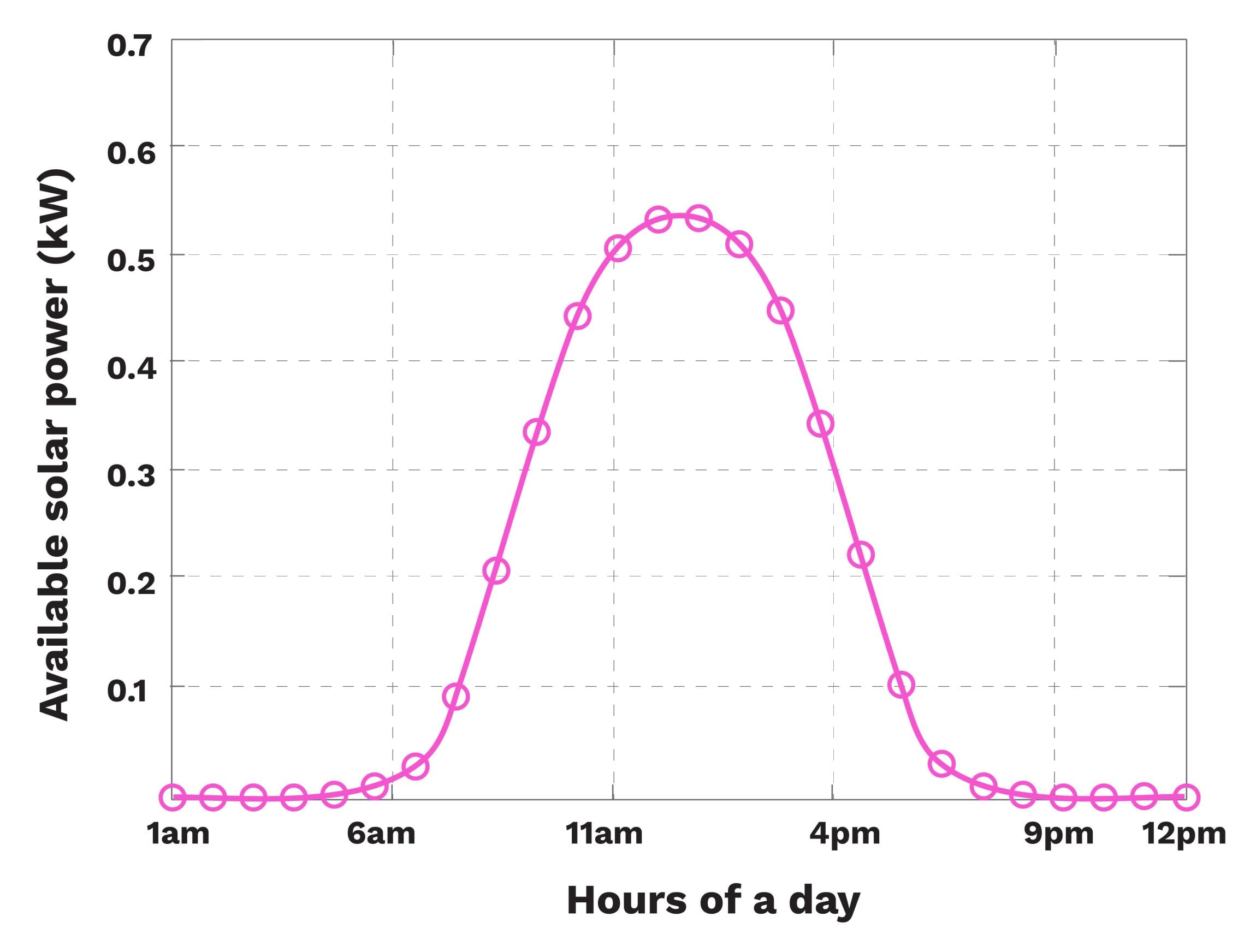
Typical daily solar generation curve
Daytime usage is covered by your system
You use your own energy → close to zero from TNB (you won’t even see it on your TNB bill). This means your peak charges (2pm to 7pm) should be practically nil.
Solar Export
Excess Solar Electricity exported to the grid offsets peak charges first. Then off-peak once peak is fully offset.
This means that even morning solar can help offset your night-time peak usage charges.
In many cases, you may end up paying mostly off-peak rates.
The Bottom Line
Time-Of-Use is worth it:
-
Low effort
-
Low risk.
-
Consistent savings.
For most homes, it’s worth trying.
What Should You Do Next?
If you’re unsure, switch to TOU, monitor your bill for 2–3 months.
If it works, you save. If not, switch back.
There’s very little downside to trying.
Want to Maximise Your TOU Savings with Solar?
Click the button below to see how much you could save.
Calculate My Savings